
Bone Grafting
Bone Grafting in Bethesda, MD
Bone loss in the jaw is one of the most serious consequences of untreated gum disease, infection, or tooth loss — and unlike soft tissue, bone does not regenerate on its own. When the structure supporting your teeth deteriorates, everything built on top of it becomes unstable. At Bethesda Family Dental in Bethesda, MD, bone grafting procedures restore that lost foundation, stabilize compromised teeth, and create the conditions necessary for long-term oral health.
Whether you need bone grafting to save a threatened natural tooth, to prepare for dental implants, or to address damage caused by advanced gum disease, the procedure works by introducing grafting material into the deficient area — triggering the body's own regenerative processes to rebuild bone volume and density over time.
- Socket preservation graft: Performed immediately after a tooth extraction, this graft fills the empty socket with bone grafting material to prevent the natural collapse of surrounding bone that occurs when a tooth is removed. Preserving bone at the extraction site is critical for patients who plan to replace the tooth with a dental implant in the future, as it ensures adequate bone volume remains at the site.
- Periodontal bone graft: When infection from periodontal disease has eroded the bone surrounding a natural tooth, a periodontal bone graft can rebuild the defect and restore support to the tooth root. This type of graft is often performed in conjunction with pocket reduction surgery to simultaneously eliminate bacterial pockets and regenerate lost bone in a single procedure.
- Ridge augmentation: In patients who have experienced significant bone resorption following tooth loss — particularly those who went without a replacement tooth for an extended period — the jaw ridge can become too narrow or too shallow to support an implant. Ridge augmentation rebuilds the height and width of the ridge to create a stable implant site.
- Sinus lift: The upper back jaw presents a unique challenge for implant placement because the maxillary sinus sits directly above it. When bone height in this area is insufficient, a sinus lift procedure adds bone below the sinus floor to create enough vertical space to anchor an implant securely.
- Grafting materials used: Bone grafts can utilize the patient's own bone harvested from another site (autograft), processed donor bone from a tissue bank (allograft), animal-derived bone mineral (xenograft), or synthetic bone substitutes (alloplast). Your dental team will recommend the most appropriate material based on the size of the defect, the intended outcome, and your individual health profile.
When Is Bone Grafting Necessary?
Bone loss in the jaw can occur gradually and silently. By the time symptoms appear, significant damage may already have taken place. These are the most common situations that make bone grafting the appropriate course of treatment:
- Advanced periodontal disease: Chronic bacterial infection beneath the gumline is the leading cause of jawbone deterioration in adults. Once the infection is controlled through gum disease treatment, bone grafting addresses the structural damage left behind and prevents further tooth loosening or loss.
- Tooth extraction: The jaw begins to resorb bone almost immediately after a tooth is removed. Without a graft, up to 50% of bone volume at the extraction site can be lost within the first year alone — making future implant placement difficult or impossible without additional intervention.
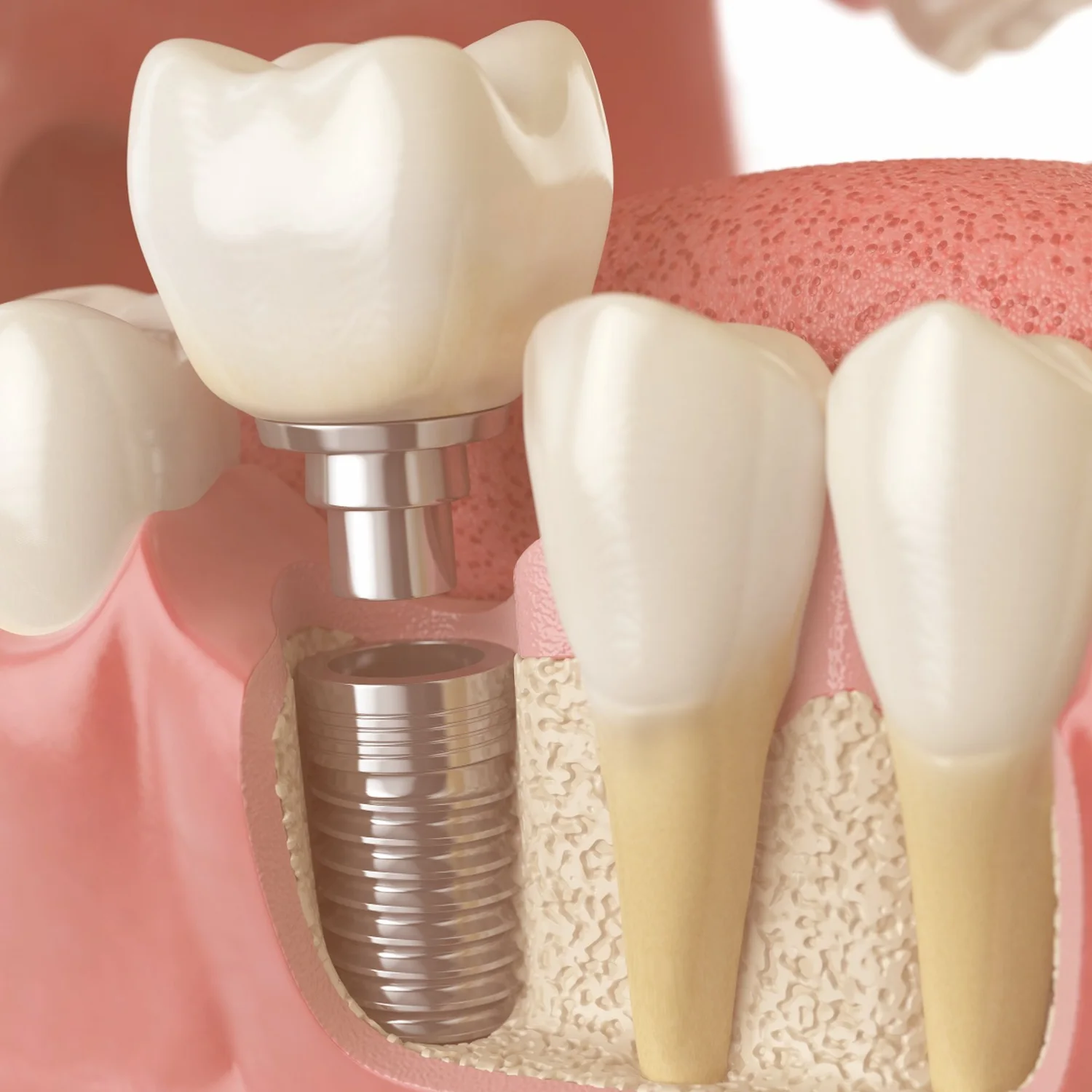
- Preparation for dental implants: Implants require a minimum volume of dense, healthy bone to integrate successfully. Patients who lack sufficient bone due to disease, resorption, or anatomy must undergo grafting before implant placement can proceed — without it, the implant has nothing solid to anchor into.
- Dental abscess or localized infection: A severe tooth infection that spreads to the surrounding bone can destroy local bone structure rapidly. Once the source of infection is eliminated — often through extraction or a root canal — bone grafting rebuilds the area and prevents the defect from compromising neighboring teeth.
Rebuild Your Foundation at Bethesda Family Dental
Bone grafting is not a last resort — it is a proactive, well-established procedure that gives compromised teeth a genuine chance at survival and sets the stage for successful tooth replacement when needed. The longer bone loss is left unaddressed, the more complex and costly the eventual solution becomes. Acting early preserves options; waiting eliminates them.
Following a bone graft, the integration process — during which your body incorporates the grafting material and generates new bone — typically takes three to six months depending on the size of the defect and the type of graft used. Our team monitors healing closely throughout this period to ensure the graft is maturing as expected before any subsequent procedures, such as implant placement or periodontal maintenance, are initiated.
If you have been told you have bone loss, are planning a tooth extraction, or are exploring dental implants as a replacement option, contact Bethesda Family Dental today to schedule a consultation and find out whether bone grafting is the right step for your situation.