Gum Grafting
Gum Grafting in Bethesda, MD
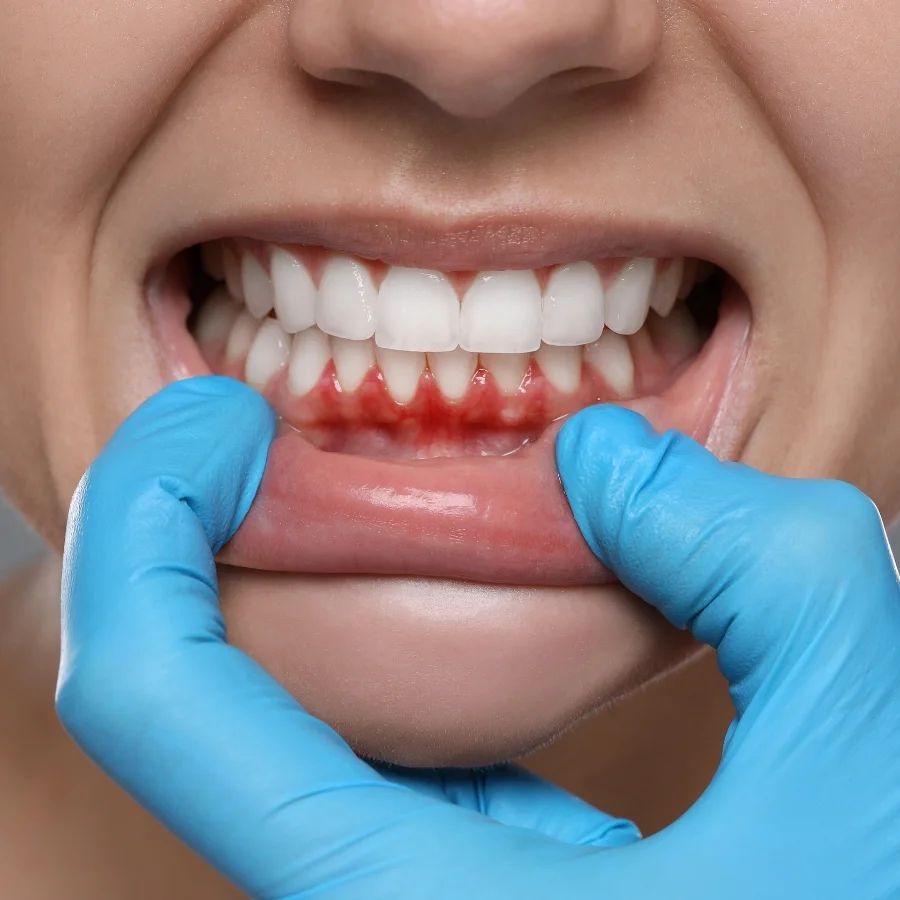
Gum recession is one of those problems that quietly worsens over time — often without pain — until the damage becomes impossible to ignore. When gum tissue pulls away from the teeth, it exposes the sensitive root surfaces underneath, leaving teeth vulnerable to decay, temperature sensitivity, and eventually tooth loss. At Bethesda Family Dental in Bethesda, MD, gum grafting procedures restore the protective tissue your teeth depend on, stopping recession in its tracks and rebuilding what has been lost.
Gum recession rarely reverses on its own. Whether it stems from gum disease, aggressive brushing, genetics, or teeth grinding, the lost tissue must be replaced surgically. Gum grafting is the gold standard for doing exactly that — and modern techniques make the procedure more predictable and comfortable than ever before.
- Connective tissue graft: The most commonly performed gum grafting technique. A small amount of tissue is taken from beneath the surface of the palate — not from the outer layer — and sutured over the exposed root. This approach produces highly natural-looking results with minimal impact on the donor site and a strong, lasting attachment at the recipient area.
- Free gingival graft: In cases where the existing gum tissue is too thin to support the teeth adequately, a small strip of tissue is taken directly from the surface of the palate and placed at the treatment site. This technique is particularly effective at building up the thickness and volume of gum tissue in areas that need significant reinforcement.
- Pedicle graft: When sufficient healthy gum tissue exists adjacent to the area of recession, it can be partially cut, rotated, or slid over to cover the exposed root without requiring a separate donor site. This technique is ideal for patients who have enough local tissue to work with and want to minimize the number of areas involved.
- Allograft (donor tissue): For patients who prefer to avoid a palatal donor site entirely, processed donor tissue from a tissue bank can be used as the grafting material. This option eliminates the second surgical site, reduces recovery time, and produces reliable results for many patients.
- What to expect during recovery: Most patients experience mild soreness and swelling for the first week following surgery. A soft food diet is recommended during healing, and specific home care instructions will be provided to protect the graft while it integrates with the surrounding tissue. Full healing typically takes two to four weeks.
Signs You May Need a Gum Graft
Gum recession develops gradually, and many patients don't realize how significant the problem has become until it's pointed out during a dental exam. These are the most common indicators that grafting may be the right solution:
- Teeth that look longer than they used to: If your teeth appear to have grown or your smile looks noticeably different than it did a few years ago, recession is the likely culprit. The gum margin has shifted downward, exposing root surface that was previously covered and protected.
- Sensitivity to hot, cold, or sweet foods: Exposed root surfaces lack the protective enamel layer that covers the crown of the tooth. This makes them acutely sensitive to temperature changes and certain foods — a direct symptom of recession that grafting can resolve by covering the exposed area.
- Visible root surfaces: If you can see a color or texture change at the base of your teeth — a yellower, duller surface compared to the white enamel above — that is exposed root. These surfaces are significantly more susceptible to decay than enamel and require protection through grafting or other intervention from your periodontal team.
- History of gum disease or prior periodontal treatment: Patients who have undergone deep teeth cleaning or pocket reduction surgery may have areas of recession as a result of the disease itself or the healing process. Gum grafting is often the next logical step to rebuild tissue volume and protect the treated areas long-term.
Restore Your Gumline at Bethesda Family Dental
Gum recession does not get better on its own, and waiting only means more root exposure, more sensitivity, and a higher risk of decay and tooth loss. The good news is that gum grafting is a well-established, highly predictable procedure with outcomes that can genuinely transform both the health and appearance of your smile.
At Bethesda Family Dental, we take the time to evaluate the extent of your recession, identify the underlying cause, and recommend the grafting technique best suited to your specific anatomy and goals. Addressing the cause — whether that's gum disease, bite issues, or brushing technique — is just as important as the graft itself, and we treat both together for lasting results.
Contact us today to schedule a consultation and take the first step toward a healthier, protected gumline.