
Pocket Reduction Surgery (Osseous Surgery)
Osseous Surgery in Bethesda, MD
When gum disease advances beyond what routine cleaning can address, pocket reduction surgery — also known as osseous surgery — becomes necessary to stop the destruction and protect your long-term oral health. At Bethesda Family Dental in Bethesda, MD, our team performs this procedure to eliminate deep bacterial pockets, reshape damaged bone, and give your gums a clean foundation to reattach to your teeth.
Healthy gums sit close to the tooth surface, with a pocket depth of one to three millimeters. When gum disease takes hold, these pockets deepen — sometimes reaching five, seven, or even ten millimeters — creating warm, dark spaces where bacteria thrive, untouched by brushing, flossing, or even deep teeth cleaning. Pocket reduction surgery directly targets these zones before irreversible bone and tissue loss occurs.
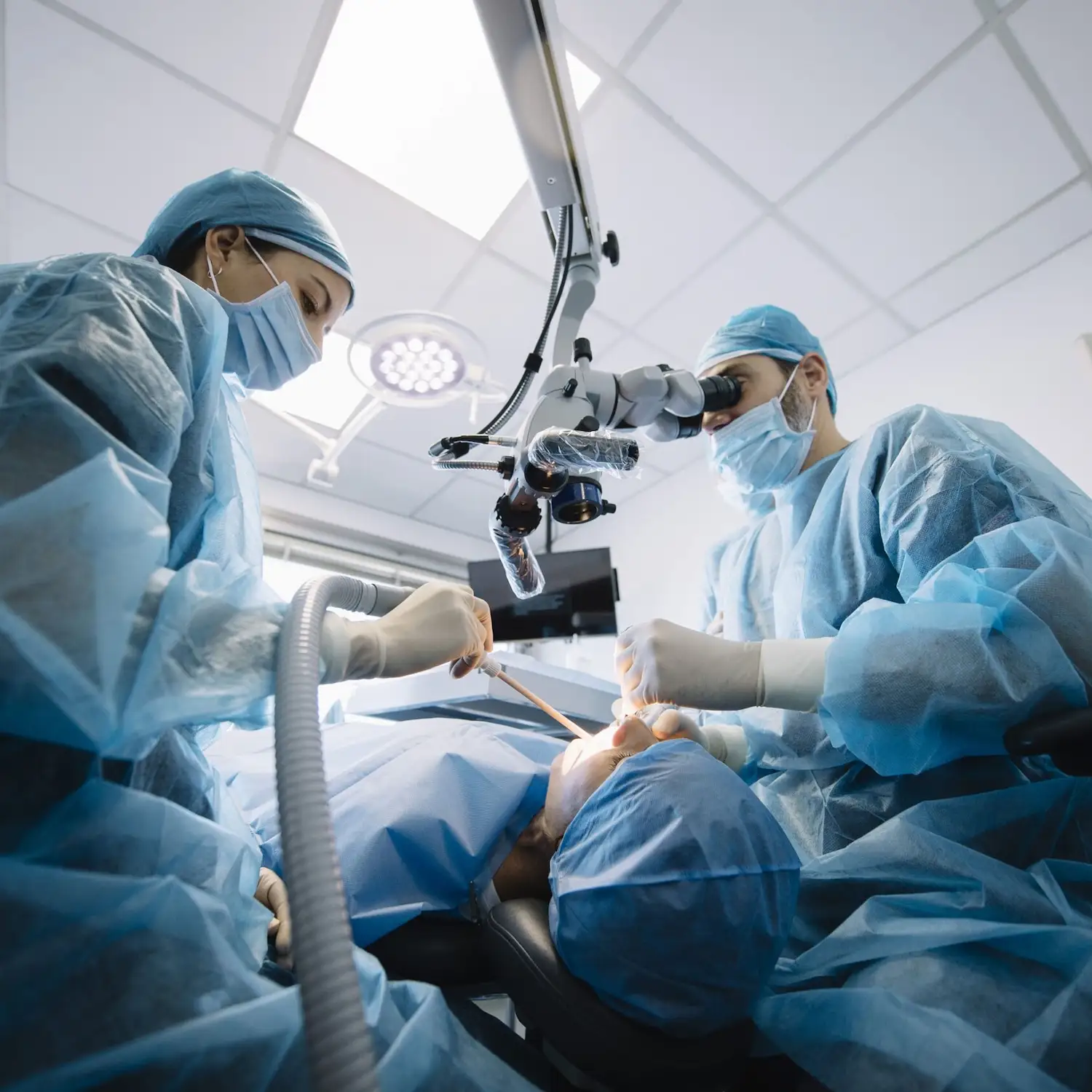
- What the procedure involves: The gum tissue is gently folded back to expose the tooth roots and underlying bone. The dental team removes hardened tartar, bacterial deposits, and diseased tissue that have accumulated deep below the gumline — areas completely inaccessible through non-surgical treatment.
- Bone reshaping (osseous recontouring): In many cases, gum disease creates irregular craters and ledges in the bone surrounding the teeth. These uneven surfaces trap bacteria and make it impossible for gum tissue to lie flat. During osseous surgery, the bone is carefully smoothed and reshaped to eliminate these bacterial hiding spots and encourage proper tissue reattachment.
- Pocket depth reduction: Once the roots are thoroughly cleaned and the bone is contoured, the gum tissue is repositioned and sutured closer to the tooth. This physically reduces pocket depth, making it far easier to maintain oral hygiene at home and during future dental visits.
- Local anesthesia and comfort: The procedure is performed under local anesthesia so you remain comfortable throughout. Most patients report minimal discomfort during the surgery itself, with manageable soreness in the days following that responds well to over-the-counter pain relief.
- Recovery and aftercare: Healing typically takes a few weeks. During this time, patients follow a specific home care regimen, attend follow-up visits, and transition into a more frequent maintenance schedule to protect the results long-term.
Who Needs Pocket Reduction Surgery?
Not every patient with gum disease requires osseous surgery, but there are clear indicators that non-surgical treatment alone will not be sufficient to halt the disease's progression:
- Pocket depths of 5mm or greater: Once pockets reach this depth, bacteria establish themselves in zones that scaling and root planing simply cannot reach. Surgery is the only reliable way to fully decontaminate these areas and reduce pocket size.
- Bone loss detected on X-rays: If imaging reveals that the bone supporting your teeth has already begun to deteriorate, osseous surgery combined with bone recontouring is necessary to halt further loss and stabilize the remaining structure.
- Inadequate response to non-surgical treatment: Some patients undergo periodontal scaling and root planing and still show persistent inflammation, bleeding, and deepening pockets at follow-up. This is a clear signal that surgical intervention is required.
- Rapidly progressing periodontitis: Certain patients — particularly those with diabetes, a history of smoking, or a genetic predisposition to gum disease — experience accelerated bone and tissue loss that demands a more aggressive treatment approach before tooth loss becomes inevitable.
Protect Your Teeth Before It's Too Late
Gum disease is the leading cause of tooth loss in adults — and the tragedy is that it's largely preventable and treatable when caught in time. Pocket reduction surgery stops the cycle of bacterial destruction and gives your teeth a genuine chance at long-term survival. Delaying treatment does not make the problem smaller; it makes the eventual solution more complicated and more expensive.
After osseous surgery, patients transition into a structured periodontal maintenance program with more frequent cleaning visits to monitor pocket depths, remove new bacterial buildup, and catch any signs of recurrence early. This ongoing care is not optional — it is what makes the surgery worthwhile and keeps your results stable for years to come.
If you have been told you have deep gum pockets, bone loss, or advanced periodontal disease, don't wait. Contact Bethesda Family Dental today to schedule a consultation and find out whether pocket reduction surgery is the right step for protecting your smile.